Las Posadas With Kids: Nine Nights Without Meltdowns
October 31, 2026
Las Posadas runs every evening from Wednesday, December 16 to Thursday, December 24 in 2026, and little ones can absolutely be part of it. The procession, the singing at the doors and the piñata all happen early in the evening, so the trick is choosing which nights to go big. Pick one or two posadas instead of all nine, give toddlers a battery lantern instead of a candle, let the youngest swing at the piñata first, and leave once the candy is gathered. Then move bedtime earlier the night after. Here’s the whole plan, friend.
What happens at a posada
Posadas means “the inns” or “the shelters.” The Diocese of Little Rock describes it as a “400 year old Advent tradition in Spanish-speaking countries, particularly Mexico,” usually held December 16 to 24. The nine nights match a novena and, it notes, “the nine months of Mary’s pregnancy.”
California State Parks, describing the custom at Old Town San Diego, explains it this way: “Traditionally, two people will dress as Mary and Joseph, and each night a house will be designated as the ‘inn’ that will allow them inside.” Along the way, the group sings villancicos, or Christmas carols.
At each door the pilgrims sing a request for shelter, and the people inside sing back a refusal. MexConnect’s Luis Dumois gives the opening lines in English: “In the name of Heaven I ask you for lodging, because She cannot walk, my beloved wife.” Finally a house “discovers” who is outside and lets them in. The Diocese of Little Rock says everyone then prays in front of the nativity scene, and a party follows “with special foods, singing of Christmas songs and a piñata in the shape of a star for the children.”
The food, per MexConnect, is traditionally tamales, buñuelos, colación (mixed candies) and warm ponche, a fruit punch. As the posada ends, “every guest receives a small gift, or aguinaldo,” usually a bag of cookies, fruit and candies. Christmas Eve is the biggest night of all, and the Little Rock diocese says it “leads into going to Midnight Mass.”
The 2026 nights at a glance
| Evening | Planning note |
|---|---|
| Wed, Dec 16 | First night; often still a school week |
| Thu, Dec 17 | Weeknight |
| Fri, Dec 18 | Good party night; no school Saturday |
| Sat, Dec 19 | Best night for a home posada |
| Sun, Dec 20 | Earlier evening if Monday is a school or work day |
| Mon, Dec 21 to Wed, Dec 23 | Depends on when winter break starts in your district |
| Thu, Dec 24 | Nochebuena, the biggest night |
Check your school calendar before you choose. Then plan the week the way you’d plan any celebration: one or two big nights, and the rest kept cozy. On a weeknight, go for the procession and the songs, and head home before the party peaks.
Walking the procession with little ones
Processions often happen outdoors after dark in December, so dress for that first and for the costume second.
- Babies ride in a carrier or stroller. The AAP’s HealthyChildren page on carriers says to “check on your baby frequently. Make sure that their mouth and nose are not blocked by fabric or your body.” It also says, “Make sure you can always see their face.” Keep that in mind when you zip a coat over the top of a carrier.
- Layers under the costume. HealthyChildren’s winter page explains that children “lose heat more quickly” than adults and that “wearing several thin layers will help keep kids warm and dry.” A shepherd’s tunic or angel wings go on over the coat, not instead of it.
- Lanterns, not candles, for small hands. Toddlers and preschoolers can carry a little battery lantern, like one of Etekcity’s collapsible LED camping lanterns. Skip the tiny LED tea lights for this age, because many run on coin batteries, which HealthyChildren’s choking-prevention page lists as a hazard. Lit candles stay with the grown-ups and older kids.
- Give each child a job. A 7-year-old can play Mary or Joseph, or hold the figures. Younger ones can be angels and sing along with the chorus. A 3-year-old can be the one who knocks on the last door.
The piñata and the candy scramble
The piñata needs the most planning for littles. MexConnect describes the custom: “It is customary to let the youngest children start the hitting,” with no blindfold, while the grown-ups take their turn later “eyes covered with a handkerchief or shawl.”
Run it like a party planner:
- Mark a big circle, and have only one hitter inside it at a time. Everyone else stands behind the line.
- Youngest first, eyes open, with a grown-up working the rope gently.
- Hang a sturdy star. A handmade Mexican star like the Fiesta Wraps star piñata is the traditional shape.
- Give toddlers their own bag before the scramble. Big kids dive in fast. A pre-filled bag means a 2-year-old isn’t trampled and doesn’t come away empty-handed.
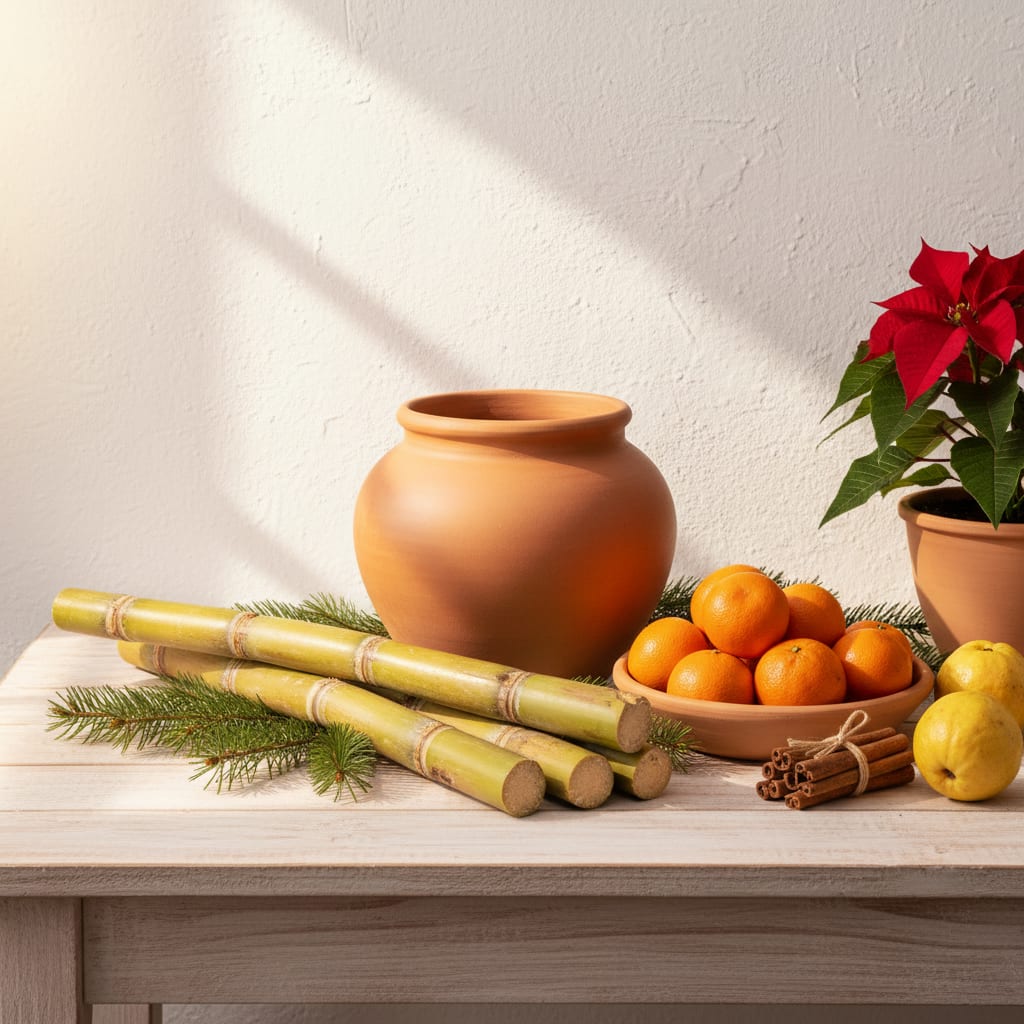
Watch what’s in the filling. Traditional piñatas can hold whole fruit, sugar cane and candy, and that same choking page says to keep high-risk foods, including “hard, gooey, or sticky candy,” “nuts and seeds” and “raw fruit chunks,” from children “until 4 years of age or older.” Swap in age-right treats for the under-4 crowd. The aguinaldo bag at the end is a great place to do that.
Bedtime on posada nights
How late is too late depends on your child’s age and their usual wake-up time. Betteroo’s sleep guide for three- to six-year-olds notes that the American Academy of Sleep Medicine recommends “10 to 13 hours of sleep per 24 hours, including naps, for ages 3 to 5,” and suggests working bedtime backward from wake-up time.
To keep it from running late:
- Feed them before you go. A real dinner at home means the tamales are a treat, not the meal you’re waiting on.
- Pajamas in the car. Change before you leave the party, and a sleepy toddler goes straight from car seat to crib.
- Leave after the piñata. That’s the natural high point. Staying for the adults’ second round of ponche is where bedtime slides an hour.
- At someone else’s house? Our guide to taking a baby out to an evening event covers the portable wind-down.
If the last “inn” is your house, our plan for hosting a holiday party with a baby asleep upstairs covers white noise and briefing guests.
Christmas Eve and the night after
December 24 is the big one, and for many families it runs into Midnight Mass. With babies and toddlers, an extra-long afternoon nap helps, and so does bringing pajamas for church. It’s also fine to do the procession and the party, then let one grown-up head home with the little ones. If this is your baby’s first Christmas, our baby’s first Christmas bedtime plan picks up the next day.
Whatever night ran late, fix it the next evening. Betteroo’s guide to what a late night does to the next day puts it simply: “Busy evenings push bedtime later, but babies do not sleep in to compensate. They just lose the hours.” It recommends moving bedtime “30 to 60 minutes earlier than usual.” Keep the morning wake-up the same, too.
 Nine nights of posadas, one steady bedtime.
Betteroo builds an age-right nap and bedtime plan from a quick quiz, so you know how late is fine on the big night and when to put them down the night after.
Take the free sleep quiz →
FAQ
When is Las Posadas in 2026?
The nine nights run from Wednesday, December 16 to Thursday, December 24, 2026. Christmas Eve is the final and biggest posada.
What do kids do at Las Posadas?
Children walk in the evening procession, often dressed as angels or shepherds, and sing the songs asking for shelter. Older kids may play Mary and Joseph. Afterward there’s usually a star piñata, and each guest gets an aguinaldo bag of treats.
How do you do Las Posadas at home with small children?
Aleteia describes families doing it at home, moving “from one room to another in the house and yard” until Mary and Joseph are let into the last room. With toddlers, keep it to three doors, sing a short version of the song, and finish with treats and a small piñata before the usual bedtime routine.
Go for the songs and the candlelight, swing at the star, and get everyone home while they’re still smiling. That’s a posada season your littles will want to do again next year, you guys!