Bedtime After a Scary Movie or Book: What Helps Tonight
October 7, 2026
If a scary scene in a film or a book has your child refusing to go to bed, talk about it in a bright room before bedtime, not in the dark, then run your normal routine with one extra comfort and end on something calm and familiar. Keep the movie out of the bedroom: no replaying the scene and no long talks once the lights are off. For most kids the fright fades within a few nights. The one big change is for next time: pick the film by your youngest guest. Here’s the plan, friend.
Why the scary part shows up at bedtime
A Halloween movie night, a sleepover where the big kids chose the film, the cousins’ party where somebody read a ghost story with the lights off: the fright happens at a celebration, and it shows up hours later in a dark bedroom.
KidsHealth’s guide to nightmares puts it plainly: “For some kids, especially those with a good imagination, reading scary books or watching scary movies or TV shows just before bedtime can lead to nightmares.” Bedtime is the first quiet moment of the night, so that’s when the scene comes back.
Age changes what you’re dealing with. KidsHealth’s page on childhood fears says children four to six “can’t always tell what’s real and what’s not,” so the monster from the film can feel like it lives in the closet. Children seven and older “know real from pretend” and tend to worry about things that could happen in real life instead. So a five-year-old needs the monster gone. A nine-year-old needs to hear why the burglar scene isn’t your house.
Talk about it before the lights go off
Do the talking at the kitchen table or on the sofa, with the lights on and a snack, not at the bedroom door.
- Name it and keep it small. “That part with the witch was really scary. Movies are made to feel scary. That’s their job.”
- Ask what part. Kids are often scared of one image, not the whole film. Knowing it was the eyes in the window and not the witch tells you what to fix.
- For ages four to six, show how it was made. Costumes, makeup, a grown-up actor who went home for dinner. Looking up a behind-the-scenes photo together often works better than saying “it’s not real” ten times.
- For ages seven and up, answer the real-life question. If the fear is a break-in or a storm, say out loud what keeps your house safe: the locked door, the grown-ups downstairs.
- Let them change the ending. KidsHealth suggests a child “might enjoy thinking up a new (more satisfying) ending” to a scary dream. It works for a scary film too. Let them draw the monster in a party hat, or decide the ghost was lonely and just wanted cake.
Keep the routine exactly the same, plus one thing
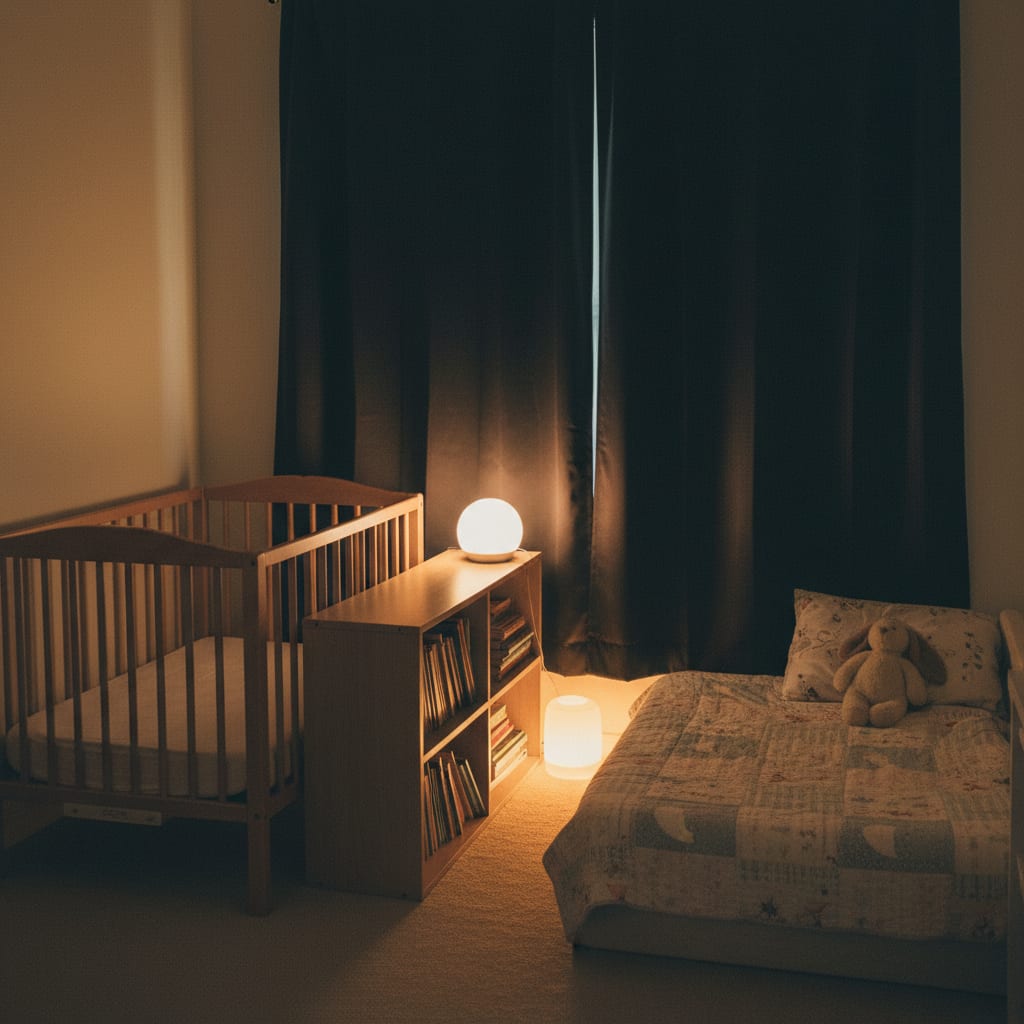
The night after a fright isn’t the night to stretch bedtime or skip steps. Same bath, same pajamas, same song, same words at the door. An ordinary bedtime tells them everything is normal.
Add one comfort and say what it is:
- A light they control. KidsHealth says “a bedside flashlight can be a good nightmare-chaser.” A small one like Energizer’s PAW Patrol LED flashlights for kids lets them check the corner themselves instead of calling you in. A dim hall light with the door open a crack works too.
- A check together, once. KidsHealth’s advice includes checking “the closet and under the bed” with your child. Do it once, cheerfully, then stop. A second and third check makes it a ritual.
- A guard for the bed. A favorite stuffed animal “on duty” for the night is silly, and silly is the point.
What not to do: no re-watching the scary scene “so they can see it’s fine,” no screens in the last hour, and no letting the film’s soundtrack or a sibling’s re-enactment into the bedroom.
End on a calm, familiar story
The last thing they hear before sleep should be something they know by heart. A brand-new book is a gamble tonight. Their oldest favorite is not.
Betteroo’s guide to a bedtime read that settles rather than revs up makes the point directly: “For children who stall or fear the dark, a predictable made-up story with the same comforting ending each night can be more settling than a brand-new book.” Read it slower and quieter than usual.

If they wake up scared at night
Go quickly, keep your voice low and ordinary, and keep it short. HealthyChildren’s page on nightmares and night terrors says the best response to a bad dream is to comfort your child, remind them that dreams aren’t real, and “allow them to keep a light on if it makes them feel better.” The long conversation can wait for breakfast.
If they’re screaming but don’t seem to see you, that may be a night terror, not a nightmare, and it needs the opposite response. Our nightmares vs night terrors guide explains how to tell them apart at 2 a.m.
When the movie was at someone else’s party
Sleepovers and birthday parties are where most of these films happen, and you weren’t there to pick them.
- At pickup, ask the host what they watched. No blame. Just get the title so you know what you’re dealing with.
- If your child calls from a sleepover, going home early is fine. Treat it like any early pickup. Don’t make it a big deal, and don’t make them feel they failed.
- When you’re the host, tell parents the movie plan in the invitation, and have a second, gentler film ready for anyone who wants out. Our Halloween party games for kids give the room something else to do if half the group wants a game instead.
Planning the next movie night
Pick the film for the youngest or most sensitive child in the room, not the oldest. Betteroo keeps a list that sorts Halloween films by how spooky they are for each age, and it suggests checking three things: how scary the images are, whether anyone is in real danger, and whether the movie ends happily.
Then plan the timing like a party:
- Watch earlier in the evening. A 5 p.m. movie leaves time for dinner and a game before bed. An 8 p.m. one goes straight into the dark.
- Leave a funny buffer. Twenty minutes of something silly between the credits and the bath.
- Keep the lights partly on for the youngest viewers, and let anyone sit on a grown-up’s lap without comment.
- For a spooky story at a party, read it early and finish with a funny twist, not a scream.
When it’s more than one movie
A scare from a film usually fades in a few nights. KidsHealth says to talk to your doctor if nightmares happen more than once a week, keep your child from getting enough sleep, or come with other emotional or behavior problems. The same goes for a fear that spreads to every dark room for weeks. If a daytime fright of a different kind is behind the bad nights, our plan for bedtime after the school fire alarm follows the same idea: talk in daylight, keep the night ordinary.
FAQ
How long do nightmares last after a scary movie?
Usually not long. For most children it fades within a few nights, sometimes longer for a sensitive child or a very vivid scene. Keep the routine ordinary and the scene out of bedtime talk, and it usually fades on its own.
Should my child sleep in my bed after a scary movie?
One night of comfort is up to you, but a week of it can turn into a new habit. It usually works better to comfort them in their own room with a light they control and a quick check together.
What age can kids watch scary movies?
There’s no set age. It depends on the child and the film. Children under about seven often can’t fully separate pretend from real, so choose gentle, silly films with happy endings for them, and preview anything darker.
Talk in the light, keep the routine the same and end on an old favorite. That’s how a spooky night ends with a good night’s sleep, you guys!